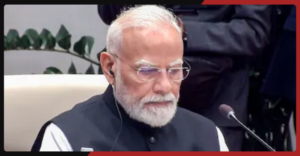
From Standoff to Dialogue: Modi–Xi Meeting Opens New Chapter in India-China Relations

In a development that could reshape the trajectory of Asia’s geopolitical landscape, Prime Minister Narendra Modi and President Xi Jinping held high-level talks in Tianjin during the SCO summit on August 31, 2025. After nearly five years of minimal engagement following the 2020 Galwan Valley conflict, this formal bilateral meeting marks a significant pivot toward dialogue and diplomacy.
The meeting, described by both nations as constructive and forward-looking, covered an array of issues but primarily focused on two core areas: ensuring border peace and bolstering counter-terror cooperation.
A Step Forward from Years of Silence
Relations between the two nations have been under strain since deadly clashes in the Ladakh region, prompting heightened military deployments and economic countermeasures, including the banning of Chinese apps in India and increased scrutiny of Chinese investments.
However, diplomatic efforts over the past 18 months—including military disengagement, a patrolling pact, and the resumption of cultural exchanges—set the stage for this face-to-face dialogue.
Modi opened the discussion by stating that “India and China are ancient civilizations with shared responsibilities for global peace,” and emphasized that the status quo at the border must not be disrupted. Xi echoed the sentiment, noting that “peace is in the best interest of both nations and the region at large.”
Both sides committed to maintaining open military and diplomatic communication channels to prevent misunderstandings and manage tactical incidents on the ground.
The Anti-Terror Framework: Bridging Common Interests
Apart from the boundary question, the leaders discussed ways to intensify joint efforts to combat terrorism. With terror threats growing across Central and South Asia, both sides recognized the importance of building regional frameworks that address root causes, financing, and ideological radicalization.
Modi reiterated India’s demand for zero tolerance toward terrorism and pushed for global consensus on identifying and sanctioning terror actors. He also reminded China of its role in blocking certain designations at the UN, urging Beijing to review such decisions in the broader interest of regional stability.
Xi, in turn, emphasized the role of the SCO in leading anti-terror initiatives and said that China supports “mutually beneficial security cooperation” within multilateral forums.
Economic Levers: Trade and Investment as Stabilizers
Though trust deficits remain, economic pragmatism played an important role in the meeting. Both countries acknowledged the need to reduce dependency in critical sectors while still facilitating investment, tourism, and trade.
India raised its concerns about the widening trade deficit, while China proposed the formation of a joint working group to resolve tariff issues and explore co-manufacturing initiatives in sectors like green energy and digital technology.
The resumption of direct flights, bilateral business forums, and spiritual pilgrimages were also part of the mutual understanding to normalize people-to-people relations—which have seen a sharp decline since 2020.
What’s Next?
The two sides agreed to convene another round of Special Representatives dialogue on the border within the next quarter. Moreover, diplomatic sources confirmed that both sides are working on a Joint Statement on Terrorism, to be unveiled during the BRICS Summit in India in 2026.
The Modi–Xi meeting may not solve long-standing issues overnight, but it opens up political space for structured engagement, which had been missing in the relationship for years.
This meeting is not just about mending fences—it’s about creating new frameworks that balance sovereignty, strategic autonomy, and shared prosperity.