Delhi Pollution Alert: AQI Climbs to Very Poor Category, GRAP-II Restrictions Tighten Across NCR
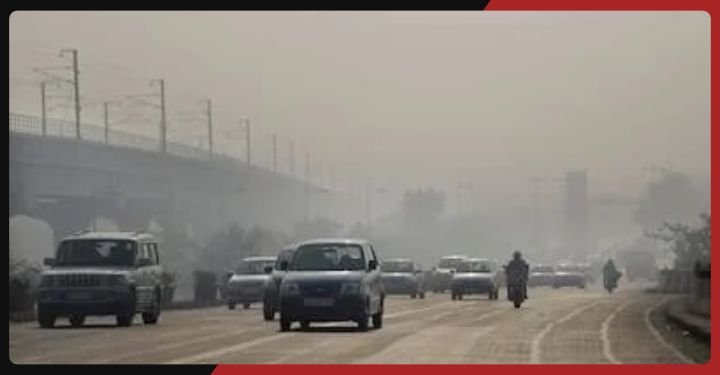
Delhi is once again facing a serious air pollution challenge as deteriorating weather conditions and rising pollution levels push the national capital into the ‘Very Poor’ category. The city’s Air Quality Index (AQI) reached 324 at 4 pm on November 2, prompting the Commission for Air Quality Management (CAQM) to implement Stage II of the Graded Response Action Plan (GRAP) across Delhi-NCR.
The decision comes as concerns grow over the worsening air quality during the beginning of the winter season. Authorities have intensified pollution-control measures to prevent the situation from becoming more dangerous in the coming days.
The implementation of GRAP-II means additional responsibilities for municipal authorities, traffic police, environmental departments and other government agencies. The primary focus will be on reducing road dust, controlling vehicle emissions, monitoring construction activities and preventing open waste burning.
Delhi’s Air Quality Deteriorates Rapidly
Delhi witnessed temporary relief from pollution following rainfall in October. However, the improvement was short-lived, as air quality began deteriorating again towards the end of the month.
The city’s AQI reportedly dropped to around 60 on October 30 before increasing to 117 on October 31 and 261 on November 1. By November 2, the reading had climbed to 324, entering the very poor category.
According to the AQI classification, readings between 301 and 400 fall under the very poor category. At this level, prolonged exposure to polluted air can cause respiratory discomfort and worsen existing health conditions.
Several monitoring stations across Delhi have reported elevated pollution levels. Areas such as Dwarka, RK Puram, ITO, Sirifort, Chandni Chowk and North Campus have experienced very poor air quality.
Jahangirpuri also recorded an AQI of 417, placing it in the severe category.
CAQM Activates Second Stage of GRAP
Following the deterioration in air quality, the CAQM decided to activate Stage II of GRAP across the National Capital Region.
The decision was taken after reviewing pollution data and weather forecasts from the India Meteorological Department and the Indian Institute of Tropical Meteorology.
Under GRAP-II, authorities have been instructed to intensify mechanical road sweeping and water sprinkling operations. Anti-smog guns will also be deployed at identified pollution hotspots and major roads.
Municipal agencies will be responsible for ensuring that dust-control measures are implemented regularly.
Construction and demolition sites will face stricter inspections, with action expected against those violating environmental guidelines.
Authorities have also been directed to prevent open burning of garbage, leaves and other waste materials.
Traffic Police to Focus on Vehicle Pollution
Vehicular emissions remain a major concern in Delhi, particularly during peak commuting hours when traffic congestion increases.
Under the latest restrictions, traffic police departments have been instructed to improve traffic movement at busy intersections and prevent unnecessary congestion.
Vehicle owners are being encouraged to maintain valid Pollution Under Control certificates. Enforcement agencies may take action against vehicles that fail to comply with applicable pollution regulations.
Residents have also been advised to reduce unnecessary private vehicle journeys and use public transportation wherever possible.
Metro services, public buses and carpooling are being promoted as alternatives to individual vehicles.
Construction Activities Under Increased Surveillance
Construction dust is another major contributor to pollution in Delhi-NCR.
Authorities have been asked to closely monitor construction sites and ensure that dust-control guidelines are followed.
Developers and contractors must take appropriate precautions while handling construction materials, transporting debris and carrying out permitted activities.
The government has already introduced seasonal restrictions on certain construction and demolition activities as part of its winter pollution-control strategy.
Officials will also conduct inspections to identify violations and ensure compliance with environmental standards.
Health Concerns Rise Among Delhi Residents
The worsening air quality has created concerns among residents, especially families with young children and elderly members.
Exposure to very poor air quality can cause coughing, throat irritation, breathing difficulties and worsening of existing respiratory problems.
People suffering from asthma, heart disease and other chronic conditions should take additional precautions.
Health experts generally recommend avoiding prolonged outdoor exposure during periods of heavy pollution. Residents should also avoid strenuous outdoor exercise near busy roads and pollution hotspots.
Public Cooperation Needed to Control Pollution
Government restrictions alone cannot solve Delhi’s pollution problem. Public participation is equally important to ensure that pollution-control measures produce meaningful results.
Residents can contribute by using public transport, avoiding unnecessary vehicle use, disposing of household waste properly and reporting open burning.
Industrial units, construction companies and commercial establishments must also follow environmental regulations.
The pollution problem requires coordination between Delhi and neighbouring NCR states because emissions and weather conditions affect the entire region.
Authorities Face a Major Winter Challenge
The implementation of GRAP-II marks another important step in Delhi’s annual winter pollution-control campaign.
However, the effectiveness of these measures will depend on strict enforcement and continuous monitoring.
If pollution levels continue rising, authorities may consider activating additional restrictions under higher GRAP stages.
For now, the immediate priority is to prevent the city’s air quality from deteriorating further and provide relief to millions of residents.
Delhi’s latest pollution crisis once again highlights the need for sustainable environmental policies, stronger monitoring systems and long-term solutions to ensure cleaner air throughout the year.