
Special Intensive Revision 2026: Draft Electoral Roll Published Across West Bengal
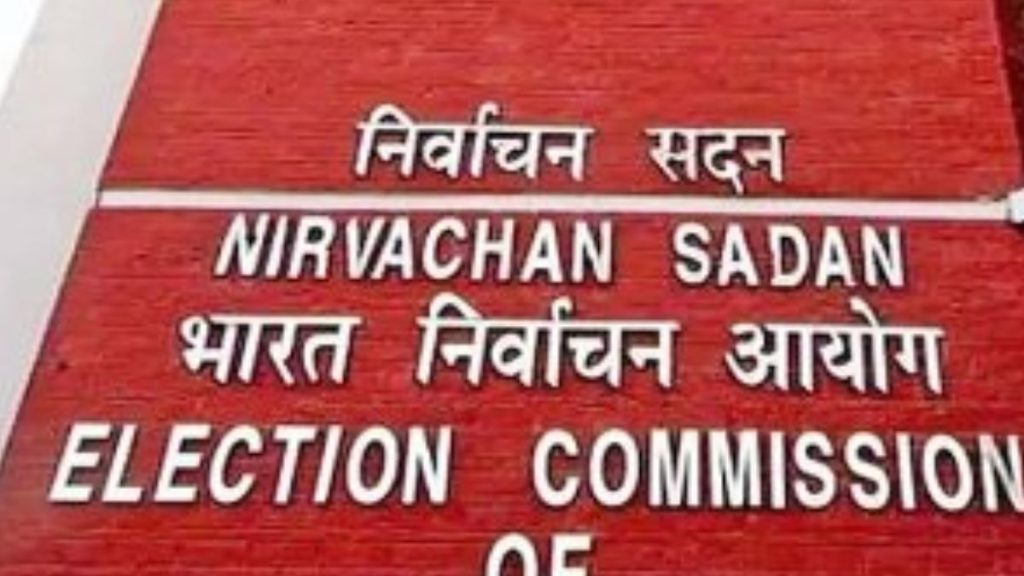
The draft electoral roll for West Bengal has been published under the Special Intensive Revision (SIR) 2026, marking a major step in election preparedness ahead of the upcoming Assembly elections. The exercise, carried out under the supervision of the Election Commission of India, aims to ensure that the state’s voters list is accurate, inclusive, and free from errors that could impact the democratic process.
The Special Intensive Revision differs from regular voter list updates by its depth and scale. It involves extensive verification of existing voter records, identification of eligible but unregistered citizens, and deletion of ineligible entries. In a state as populous and diverse as West Bengal, the SIR exercise is considered crucial to maintaining electoral credibility.
Election officials stated that the draft roll has been prepared after systematic verification by Booth Level Officers, who conducted field visits and interacted directly with residents. These officers verified addresses, checked identity documents, and recorded changes related to death, migration, or multiple registrations. The data was then compiled and digitized to form the draft electoral roll.
With the draft list now in the public domain, voters have been given an opportunity to verify their details. The Election Commission has urged all citizens, regardless of whether they have voted in previous elections, to check the list carefully. Even minor errors, officials noted, can lead to confusion on polling day and should be corrected well in advance.
The claims and objections period allows individuals to apply for inclusion, correction, or deletion of entries. Those who have recently moved, changed names, or found inaccuracies can submit applications through online portals or by visiting local electoral offices. Dedicated help desks have been set up at polling station locations to assist voters, particularly the elderly, persons with disabilities, and those unfamiliar with digital processes.
A major focus of SIR 2026 in West Bengal has been on enrolling young voters. Thousands of students who have reached voting age since the last revision are eligible to be added to the rolls. The Election Commission, in collaboration with schools, colleges, and youth organizations, has launched awareness campaigns emphasizing the importance of registering to vote.
Urbanization and internal migration present ongoing challenges to voter list accuracy. Cities and industrial belts in West Bengal see frequent population movement, which often results in outdated voter records. The SIR exercise aims to address this by ensuring voters are registered at their current place of residence, thereby reducing the risk of impersonation or disenfranchisement.
Political parties have begun scrutinizing the draft roll, a standard practice during revision periods. While parties are allowed to flag discrepancies, the Election Commission has cautioned against attempts to politicize the revision process. Officials stressed that SIR is a non-partisan exercise governed strictly by law and procedural safeguards.
Technology has played a larger role in this revision cycle. Improved data analytics, better voter database integration, and mobile applications for field officers have helped streamline verification. At the same time, election authorities reiterated that digital tools are meant to assist, not replace, human verification, especially in rural and remote areas.
Concerns about voter exclusion have been addressed through multiple safeguards. No name can be deleted from the roll without proper notice and opportunity for the voter to respond. In cases where individuals are marked as “shifted” or “untraceable,” additional verification is conducted before any final decision is taken.
The draft electoral roll is only a provisional document. After the claims and objections period, all applications will be reviewed by Electoral Registration Officers. Final decisions will be based on documentary evidence and field verification where required. The final voters list will then be published, forming the official roll for the 2026 elections.
Election officials have appealed to citizens to treat the revision process as a civic duty. Active participation, they noted, helps prevent last-minute complications and ensures that polling day proceeds smoothly. Civil society groups have also been encouraged to assist vulnerable communities in verifying their voter status.
As West Bengal prepares for a high-stakes electoral contest in 2026, the publication of the draft voters list under SIR reflects the Election Commission’s commitment to democratic integrity. The success of the exercise, however, ultimately depends on public engagement and vigilance in ensuring that every eligible voice is accurately represented in the electoral roll.


