
Delhi Records First Notable Drop in Pollution Levels in Nearly a Month as Weather Aids Dispersion
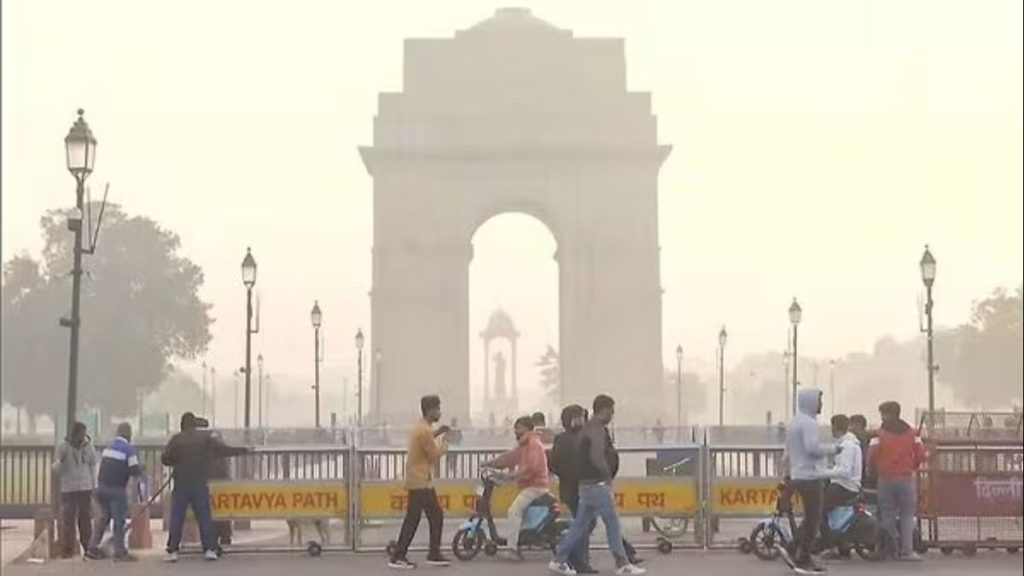
Delhi witnessed its first significant reprieve from hazardous pollution in almost a month as the Air Quality Index (AQI) slipped from the severe zone into the poor category. Though still harmful, this drop marks a meaningful shift from the choking smog that enveloped the city for 24 consecutive days. Experts attribute the change to favorable meteorological conditions, including improved wind speeds and reduced atmospheric stagnation, combined with intensified pollution-control measures.
Over the past few weeks, Delhi residents endured some of the worst air quality of the year. Dense smog often reduced visibility, delaying flights, slowing traffic, and disrupting daily activities. Pollution levels spiked at night due to temperature inversion, trapping particulate matter closer to the ground. Morning commuters reported burning sensations in their eyes and throats, while schools repeatedly issued advisories urging students to minimize outdoor activities.
The turning point arrived as the region experienced a shift in wind patterns. Westerly winds picked up late in the evening, dispersing accumulated pollutants that had lingered for days. Meteorologists noted that even a modest increase in wind speed can significantly improve AQI by enhancing air circulation. The resulting improvement was reflected across multiple monitoring stations, with several areas registering drops of 80–100 AQI points within 24 hours.
Alongside the weather, strict implementation of GRAP measures contributed to the decline. Authorities conducted surprise inspections at industrial areas to curb emissions from unauthorized units. Construction activities were halted at major sites, and road-cleaning operations were intensified using mechanical sweepers and anti-smog guns. Traffic police also cracked down on vehicles missing pollution-under-control certificates, a move that environmental groups welcomed.
While these efforts helped reduce particulate concentration, experts caution that reliance on emergency measures is unsustainable. Delhi’s air-quality crisis is a result of long-standing structural issues: vehicular congestion, industrial emissions, dust from construction, biomass burning, and cross-border pollution. Addressing these requires a comprehensive, multi-state strategy rather than reactive steps taken each winter.
In the rural belts surrounding Delhi, stubble burning continues to be a major factor in seasonal pollution spikes. Although the number of fire incidents has declined slightly in recent days, satellite data indicates ongoing burning activity. Farmers, bound by tight harvesting schedules and cost constraints, argue that alternative methods are either financially burdensome or inefficient. Policymakers face the complex task of balancing environmental needs with agricultural realities.
Meanwhile, Delhi’s healthcare system continues to feel the effects of prolonged exposure to toxic air. Hospitals reported a high number of patients suffering from aggravated asthma, chronic obstructive pulmonary disease (COPD), and heart conditions. Pediatric wards saw increased cases of viral infections exacerbated by pollution. Doctors warn that even though AQI has entered the “poor” range, it remains unsafe for vulnerable groups.
For many residents, the improvement brought a psychological lift. People ventured outdoors for morning walks, students engaged in sports activities, and office-goers described the air as “noticeably lighter.” Yet masks and air purifiers remain commonplace. Environmental groups remind the public that air deemed “poor” still carries serious long-term health risks, including reduced lung capacity and increased cardiovascular stress.
Urban planners argue that Delhi must prioritize green infrastructure to combat recurring pollution cycles. Expanding the city’s green cover, restoring wetlands, and regulating construction dust could collectively reduce particulate matter. Enhancing public transportation—through electric buses, metro expansion, and last-mile connectivity—would also lessen the dependency on private vehicles, a major pollution source.
Another promising pathway lies in promoting renewable energy usage. Encouraging industries to shift to cleaner fuels and motivating households to adopt energy-efficient systems could further reduce emissions. Policymakers also emphasize the need for stricter enforcement of environmental laws, including penalties for illegal waste burning and industrial violations.
Looking ahead, meteorologists predict that the improved air quality may persist for a few more days, provided wind speeds remain stable. However, pollution levels in Delhi are notoriously volatile, often reacting swiftly to climatic changes. As winter deepens, conditions may worsen again unless accompanied by strong policy action.
For now, Delhi’s residents are experiencing a brief respite in what has been an especially harsh pollution season. The day’s improvement offers a glimpse of what cleaner air could feel like—a reminder of the urgent need for sustained, long-term solutions. While the shift to the “poor” category is far from ideal, it marks an important moment of progress in an otherwise bleak environmental landscape.